A pesar de ser un país de reducidas dimensiones, Nepal presenta numerosas regiones climáticas con gran variedad de ecosistemas gracias a la enorme diferencia de las cotas altitudinales que van desde los 800 metros a nivel del mar hasta los 8.850 metros del monte Everest.
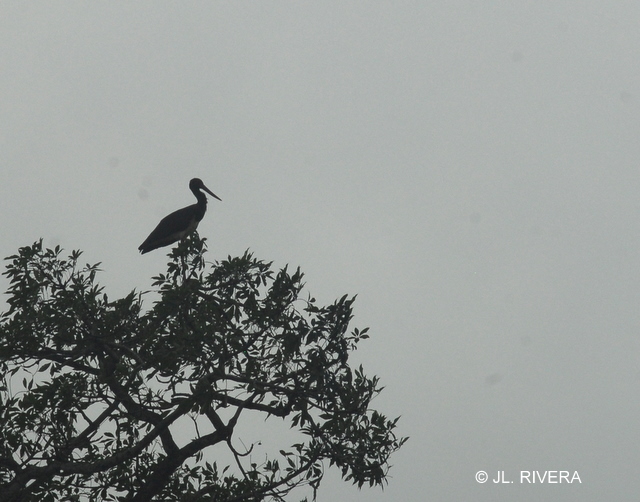
El país es considerado un santuario ornitológico a nivel mundial. Con más de 860 especies de aves registradas (casi el 8% del total del mundo), cerca de 500 se encuentran en el valle de Katmandú.
Alcanzando una altura de 2.760 metros, Phulchowki es el pico más alto del valle de Katmandú. La montaña se encuentra a unos 20 kilómetros al sureste de la capital del país y constituye un área especialmente rica por la abundancia de aves.
 Caminar por los senderos boscosos de la montaña otorga una buena oportunidad para avistar un basto número de aves, muchas de ellas endémicas de la región. El ágila negra asiática (Ictinaetus malayensis), la actinodura de Nepal (Actinodura nipalensis) y el suimanga coliverde (Aethopyga nipalensis) son algunas de las especies que será posible encontrar, además de una gran variedad de de colirrojos, barbudos y mosquiteros.
El nombre de la montaña significa "cerro de las flores", y es debido a que en primavera las colinas estallan en una mezcla deslumbrante de colores que tiene lugar con el florecimiento de numerosas variedades de rododendros y orquídeas.
Por otro lado, Phulchowki ofrece otros atractivos como el Real Jardín Botánico, un lugar de especial belleza natural situado a los pies de la montaña, y un templo budista en la cima.
Ecowildlife ha organizado una apasionante expedición Birdwatching a Nepal que recorrerá los lugares más espectaculares para el avistamiento de aves en el país que registra las cumbres más altas del planeta. Para más información sobre esta u otras expediciones visitar nuestra web.
El país es considerado un santuario ornitológico a nivel mundial. Con más de 860 especies de aves registradas (casi el 8% del total del mundo), cerca de 500 se encuentran en el valle de Katmandú.
Alcanzando una altura de 2.760 metros, Phulchowki es el pico más alto del valle de Katmandú. La montaña se encuentra a unos 20 kilómetros al sureste de la capital del país y constituye un área especialmente rica por la abundancia de aves.
 Caminar por los senderos boscosos de la montaña otorga una buena oportunidad para avistar un basto número de aves, muchas de ellas endémicas de la región. El ágila negra asiática (Ictinaetus malayensis), la actinodura de Nepal (Actinodura nipalensis) y el suimanga coliverde (Aethopyga nipalensis) son algunas de las especies que será posible encontrar, además de una gran variedad de de colirrojos, barbudos y mosquiteros.
El nombre de la montaña significa "cerro de las flores", y es debido a que en primavera las colinas estallan en una mezcla deslumbrante de colores que tiene lugar con el florecimiento de numerosas variedades de rododendros y orquídeas.
Por otro lado, Phulchowki ofrece otros atractivos como el Real Jardín Botánico, un lugar de especial belleza natural situado a los pies de la montaña, y un templo budista en la cima.
Ecowildlife ha organizado una apasionante expedición Birdwatching a Nepal que recorrerá los lugares más espectaculares para el avistamiento de aves en el país que registra las cumbres más altas del planeta. Para más información sobre esta u otras expediciones visitar nuestra web.